
The EU Blue Card is one of the most powerful work and residence permits for skilled foreign workers who want to live and work in Europe. In 2026, the EU Blue Card has become even more attractive due to relaxed rules, lower salary thresholds in some countries, and easier movement across European Union states.
This article explains the EU Blue Card in clear terms. You will learn what it is, who can apply, which jobs qualify, how the application process works, the benefits, the limits, and how it compares to other work visa options. If Europe is your target for working abroad, understanding the EU Blue Card is very important.
What Is the EU Blue Card
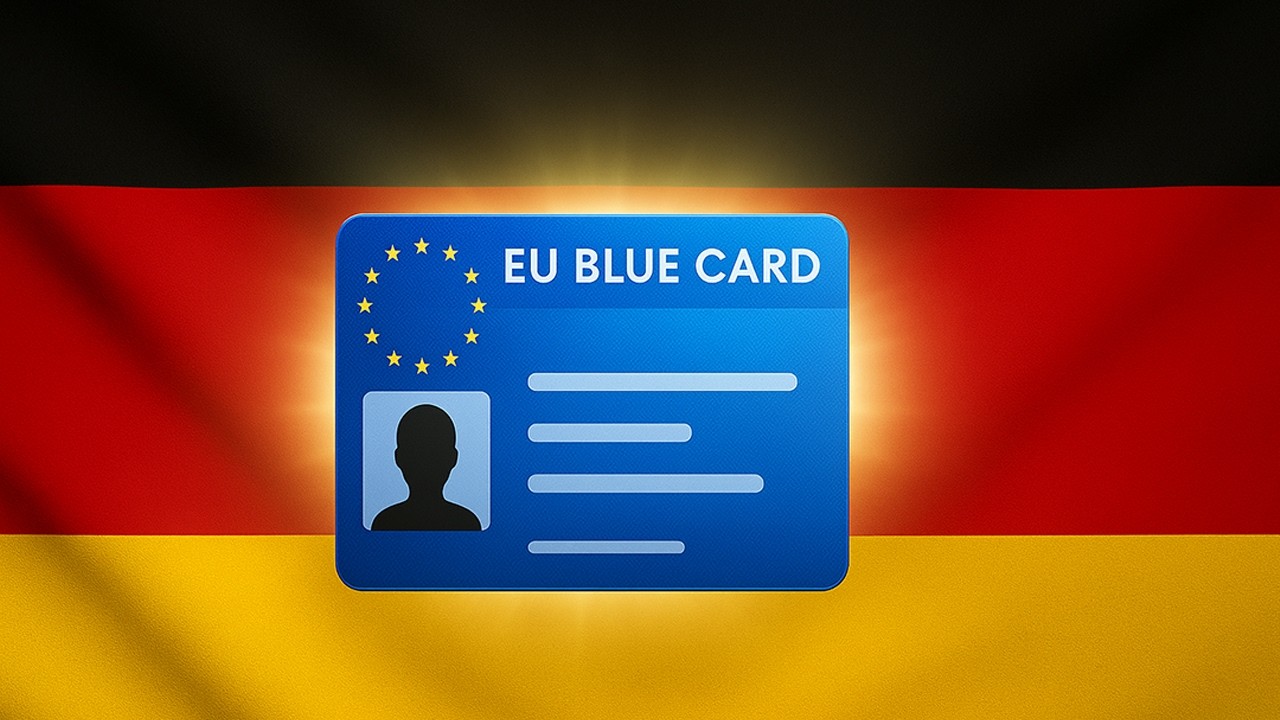
The EU Blue Card is a residence and work permit designed for highly skilled non EU citizens. It allows qualified professionals to live and work legally in most European Union countries.
The card is meant to attract skilled workers in areas where European countries face serious labour shortages. With a valid EU Blue Card, you can work, earn a good salary, and eventually qualify for long term residence.
It is important to note that the EU Blue Card is issued by individual EU countries, not by the EU as a whole. Each country has its own salary requirements and rules, but the general structure is similar.
Why the EU Blue Card Matters in 2026
Europe is facing a shortage of skilled workers due to aging populations and low birth rates. In response, many EU countries have updated their Blue Card rules to make it easier for foreign professionals to qualify.
In 2026, key improvements include lower minimum salary requirements in some countries, recognition of professional experience instead of only degrees, and faster pathways to permanent residence.
If you are comparing Europe with other destinations, you may also find Top countries to work abroad in 2026 useful for broader context.
Who Can Apply for an EU Blue Card
To qualify for an EU Blue Card, you must meet certain basic conditions. These conditions are similar across EU countries, though exact details may differ.
You usually need:
- A valid job offer from an EU employer
- A salary that meets the minimum Blue Card threshold
- A university degree or equivalent professional experience
- A valid passport and clean immigration history
In some countries, several years of proven work experience can replace a university degree, especially in fields like IT and engineering.
Jobs That Qualify for the EU Blue Card
The EU Blue Card focuses on skilled and shortage occupations. These roles are in high demand across Europe in 2026.
Common qualifying jobs include:
- Information technology professionals
- Software developers and system analysts
- Engineers and technicians
- Doctors and healthcare specialists
- Scientists and researchers
- Mathematicians and data specialists
If you want to understand which skills are globally valuable, you can read In-demand jobs abroad for 2026 for Nigerians and Africans for a wider view.
Salary Requirements Explained Simply
One of the most important requirements for the EU Blue Card is salary.
Each EU country sets a minimum salary level that applicants must earn. This salary is usually higher than the average national wage but lower for shortage occupations.
For example, IT specialists and engineers often qualify with lower salary thresholds than other professions. This makes the Blue Card more accessible to skilled workers.
Always check the exact salary requirement of the country you are applying to, as it changes over time.
Countries That Offer the EU Blue Card
Most EU countries participate in the EU Blue Card scheme, but a few do not.
Countries that offer the EU Blue Card include Germany, Netherlands, France, Austria, and Italy.
Some EU countries like Denmark and Ireland do not use the EU Blue Card system and have their own national work permits.
How the EU Blue Card Application Process Works
The application process usually follows these steps.
First, you secure a job offer from an employer in an EU country that issues Blue Cards. The job must meet the salary and skill requirements.
Next, you apply for the EU Blue Card through the immigration authority or embassy of that country. You submit your job contract, qualifications, passport, and other required documents.
Once approved, you receive a residence permit that allows you to live and work in that country legally.
Processing times vary by country but are generally faster than many traditional work visa systems.
Benefits of the EU Blue Card
The EU Blue Card offers many advantages compared to regular work permits.
Legal work and residence
You can live and work legally in an EU country with strong worker protections.
Family reunification
You can bring your spouse and children, and in many cases your spouse can work without restrictions.
Path to permanent residence
After a few years, you can apply for permanent residence and later citizenship.
Mobility within the EU
After meeting certain conditions, you can move to another EU country and apply for a new Blue Card more easily.
Equal treatment
You enjoy the same working conditions and rights as local workers.
Limitations and Risks to Consider
Despite its benefits, the EU Blue Card has some limits.
Your residence permit is usually tied to your job. If you lose your job, you may have a limited time to find a new one.
Not all professions qualify. Low skill and seasonal jobs are not covered.
Salary thresholds can be high in some countries, making it harder for entry level workers.
Understanding these limits helps you plan better and avoid surprises.
EU Blue Card vs Other Work Visa Options
Compared to standard work visas, the EU Blue Card offers better long term stability and mobility.
However, it is not the easiest option for everyone. If you are looking for simpler or faster visas, you may want to read Easiest countries to get work visas in 2026.
If you are young and prefer flexible travel and short term work, Working holiday visas for young travellers in 2026 may be more suitable.
Can Nigerians and Africans Apply for the EU Blue Card
Yes, Nigerians and other Africans can apply for the EU Blue Card if they meet the requirements.
There are no nationality restrictions. What matters is your qualification, job offer, salary level, and documentation.
Many professionals from Africa already work in Europe under the EU Blue Card, especially in IT, healthcare, and engineering.
Tips to Improve Your Chances
Target countries with lower salary thresholds and strong labour shortages.
Apply for roles that clearly match your qualifications.
Prepare a European style CV and cover letter.
Make sure your certificates and degrees are properly verified if required.
Learn basic language skills for the country, even if the job is in English.
Final Thoughts
The EU Blue Card is one of the best legal pathways to work and settle in Europe in 2026 for skilled professionals. It offers job security, family benefits, and a clear route to permanent residence.
While it is not suitable for everyone, those with in demand skills and solid job offers can benefit greatly from this program. If Europe is part of your long term plan, understanding and preparing for the EU Blue Card can open doors to a stable and rewarding future.