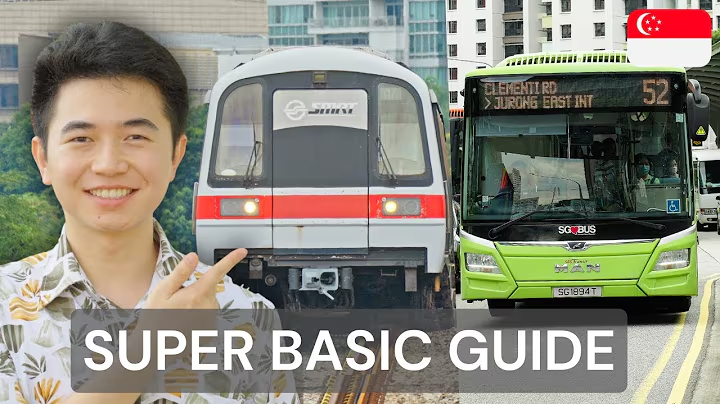

Getting around in a new country is one of the first real challenges foreign residents face. Transport systems work differently everywhere, and what feels normal to locals can be confusing at first. In 2026, most countries offer reliable public transport, but knowing how to use it properly saves money, time, and stress.
This article serves as a local transport guide for foreign residents, explaining common transport options, how to pay, what to expect, and practical tips to help you move confidently in your new country.
Why Understanding Local Transport Matters
Transport affects almost every part of daily life abroad.
It determines how easily you get to work or school.
It affects your monthly expenses.
It shapes how much of the city or country you can explore.
Foreign residents who understand transport systems early adjust faster and avoid unnecessary costs.
Common Types of Local Transport Abroad
Most countries use a mix of transport options. Knowing what is available helps you choose the most efficient method.
Public buses
Buses are common in almost every country. They usually cover wide areas and are cheaper than taxis.
Some cities use cash payments, while others require transport cards or mobile apps.
Trains and metro systems
Trains, subways, and metro systems are popular in major cities.
They are usually faster, reliable, and less affected by traffic. Timetables are strict in many countries, especially in Europe and Asia.
Trams and light rail
Trams operate mainly in city centres and residential areas. They are easy to use and often integrated with bus and metro systems.
Taxis and ride hailing apps
Taxi services and ride apps are widely used but more expensive.
They are useful late at night, during emergencies, or when carrying heavy items.
Cycling and walking
Many cities support cycling with dedicated lanes. Walking is also common in compact cities and town centres.
How Transport Payment Systems Usually Work
Payment systems vary, but most follow similar patterns.
Transport cards
Many cities use reloadable cards for buses, trains, and trams. These cards often offer discounts compared to single tickets.
Mobile apps
Transport apps allow you to buy tickets, plan routes, and check schedules. In 2026, app based systems are common in most developed countries.
Monthly or weekly passes
Foreign residents often save money by using monthly or weekly passes, especially if commuting daily.
Contactless bank cards
Some cities allow direct payment using debit or credit cards on transport gates or buses.
Understanding payment rules early prevents fines and confusion.
Learning Routes and Schedules
At first, routes may feel overwhelming.
Start by learning the route between your home and workplace or school. Once comfortable, expand to shopping areas, hospitals, and social locations.
Most cities provide route planners online or in apps. Using these tools reduces mistakes and travel anxiety.
Transport Etiquette You Should Know
Transport rules and behavior differ by country.
Common expectations include:
- Queueing before boarding
- Giving seats to elderly or disabled passengers
- Staying quiet on public transport in some countries
- Following strict no eating or no phone rules
Observing locals helps you adapt quickly and avoid uncomfortable situations.
Cost Saving Tips for Foreign Residents
Transport costs can add up, especially in large cities.
To save money:
- Use monthly passes instead of daily tickets
- Travel during off peak hours if cheaper
- Combine walking or cycling with public transport
- Avoid unnecessary taxi use
Many foreign residents reduce transport costs significantly after the first few months.
Driving Abroad as a Foreign Resident
Driving rules vary widely.
Some countries allow you to drive with an international license for a limited time. Others require conversion to a local license.
Driving may be useful in rural areas, but in large cities it can be expensive due to fuel, parking, insurance, and traffic fines.
Always learn local road rules carefully before driving.
Transport Safety Tips
Transport systems are generally safe, but awareness matters.
Keep bags closed and secure.
Watch belongings in crowded areas.
Avoid empty stations late at night if possible.
Know emergency numbers and exits.
Following basic safety habits reduces risk and builds confidence.
Transport for Work and Sponsored Jobs
Foreign workers often rely heavily on public transport.
Sponsored jobs usually expect punctuality, so learning reliable routes is essential. Always plan backup routes in case of delays.
For workers in shift based or early morning roles, check whether night or early transport services are available.
Transport for Students and Newcomers
Students often receive discounted transport passes.
Universities and colleges usually provide guidance on local transport options. Asking student services early can save money and time.
Newcomers should explore transport options during the first week to avoid last minute stress.
Using Transport to Explore Beyond Work
Transport is not just for commuting.
Once settled, use it to explore nearby towns, nature spots, and cultural areas. Many countries offer regional passes that make travel cheaper and easier.
Exploration helps you feel connected to your new environment.
Common Mistakes Foreign Residents Make
Many newcomers struggle because of simple mistakes.
- Not validating tickets properly
- Using wrong transport zones
- Ignoring fines and penalties
- Relying too much on taxis
- Avoiding public transport due to fear
Most issues disappear once you gain basic experience.
How Long It Takes to Feel Comfortable
For most foreign residents:
- One week to learn basic routes
- One month to feel confident
- Three months to travel without thinking
Confidence comes faster when you practice regularly.
Transport and Quality of Life Abroad
Good transport improves quality of life.
Shorter commute times reduce stress.
Reliable transport increases job stability.
Affordable transport improves savings.
Choosing housing with good transport access often matters more than living close to city centres.
Final Thoughts
Local transport guides for foreign residents are not about mastering everything at once. They are about learning gradually, observing locals, and using available tools.
In 2026, most cities are designed to support public transport users. With a little patience and practice, transport becomes one of the easiest parts of living abroad.
Once you understand how to move around confidently, your new country feels smaller, safer, and far more welcoming.