 agency
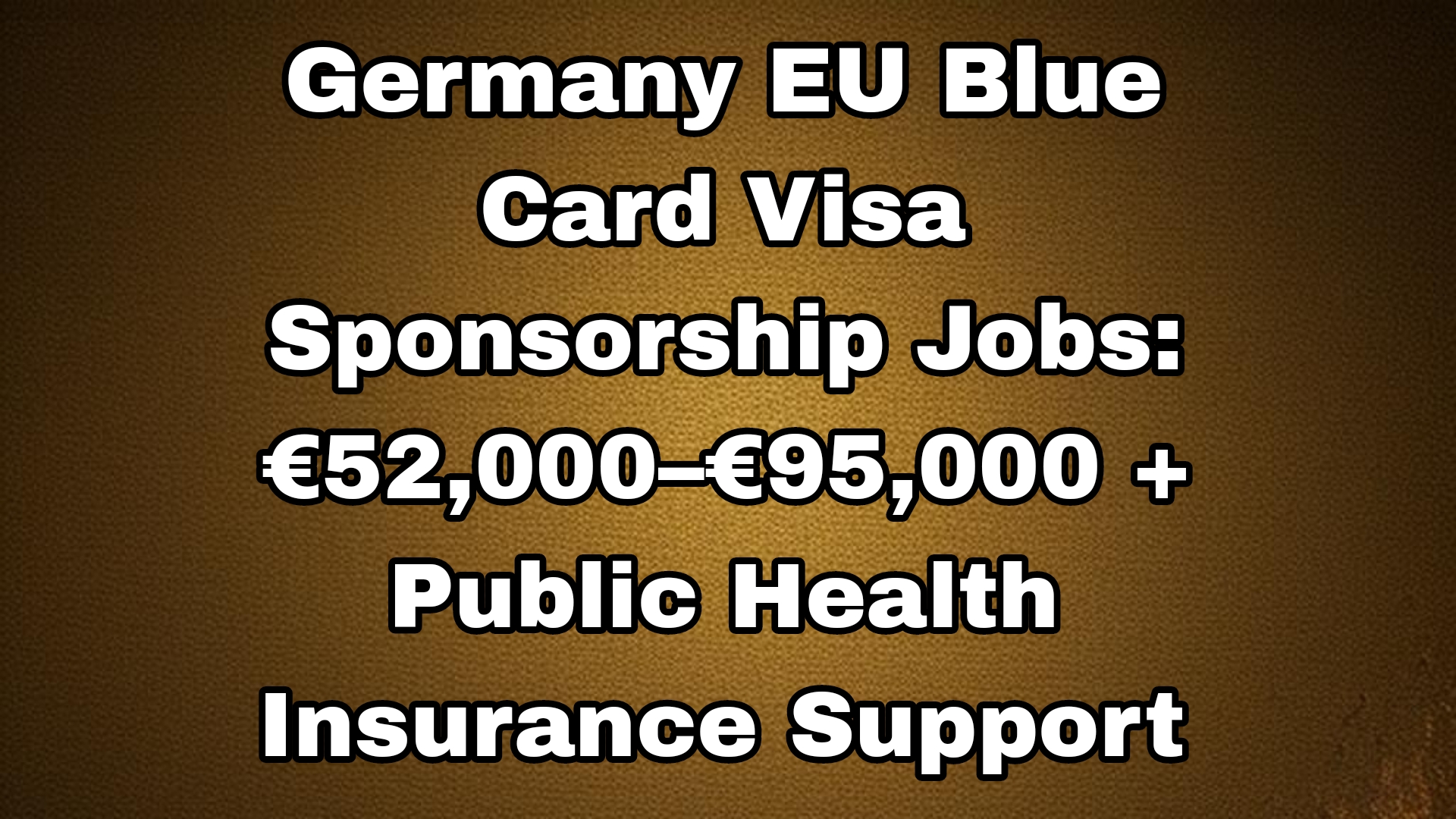
Germany is one of the strongest destinations in Europe for skilled foreign workers in 2026. With a powerful economy, serious labour shortages, and a well structured immigration system, Germany offers EU Blue Card visa sponsorship jobs paying between €52,000 and €95,000 per year, along with public health insurance support and long term residence opportunities.
This article explains Germany EU Blue Card visa sponsorship jobs in 2026, who qualifies, which roles pay the most, how the visa works, key benefits, possible risks, and how Germany compares with other sponsored job pathways you may already be considering.
What the Germany EU Blue Card Is
The EU Blue Card is a residence and work permit designed for highly skilled non EU citizens. Germany is the largest user of the EU Blue Card system and one of the easiest EU countries to access through this route.
With a valid EU Blue Card, you can live and work legally in Germany, bring your family, access public services, and later apply for permanent residence.
Unlike temporary labour visas, the EU Blue Card is designed for long term settlement, not short term work.
Why Germany Is Actively Sponsoring EU Blue Card Workers in 2026
Germany is facing a major shortage of skilled professionals due to several long term factors.
- An aging population
- Retirement of experienced workers
- Rapid expansion in technology, healthcare, and engineering sectors
- Not enough local graduates in technical and scientific fields
To remain competitive and maintain economic growth, Germany actively sponsors foreign professionals under the EU Blue Card system. This makes Germany one of the most reliable visa sponsorship destinations in Europe in 2026.
Salary Range Explained: €52,000–€95,000
EU Blue Card salaries in Germany depend on profession, experience, and location.
Typical salary ranges include:
- Entry level skilled roles: €52,000 to €60,000
- Mid level professionals: €61,000 to €75,000
- Senior specialists and managers: €76,000 to €95,000
Some shortage occupations, especially in IT, engineering, and healthcare, qualify with lower minimum salary thresholds, which makes entry easier for qualified professionals.
These salaries support a comfortable lifestyle, particularly in medium sized cities where living costs are lower than in places like Munich or Frankfurt.
Public Health Insurance Support in Germany
One of the biggest advantages of EU Blue Card jobs in Germany is mandatory public health insurance.
Once you are employed and registered:
- Doctor visits are covered
- Hospital treatment is included
- Emergency care is provided without upfront payment
- Prescription medicines are subsidized
Health insurance contributions are shared between the employer and employee, which reduces personal costs. This system provides stability and peace of mind that many foreign workers value highly.
High Paying Germany EU Blue Card Sponsorship Jobs
Germany focuses mainly on skilled and technical professions for EU Blue Card sponsorship.
Information technology and software roles
Software developers, system engineers, cybersecurity specialists, and data professionals are in very high demand across Germany.
Engineering professionals
Mechanical, electrical, civil, industrial, and automotive engineers are among the most sponsored roles.
Healthcare specialists
Doctors, medical specialists, and senior healthcare professionals qualify easily due to nationwide shortages.
Research and science roles
Scientists, researchers, and academic professionals are actively recruited by universities and research institutions.
Mathematics and technical analysts
Data scientists, statisticians, and technical analysts are also eligible and well paid.
These roles usually come with stable contracts, structured work environments, and strong long term career growth.
Who Can Apply for Germany EU Blue Card Jobs
EU Blue Card sponsorship is open to non EU citizens who meet the basic requirements.
Most applicants need:
- A valid job offer from a German employer
- A salary that meets the EU Blue Card threshold
- A university degree or officially recognized qualification
- Relevant professional experience
- A clean criminal and immigration record
In some IT related roles, extensive professional experience can replace a university degree, making the pathway more flexible in 2026.
Language Requirements Explained
Many EU Blue Card jobs, especially in IT, engineering, and research, operate in English.
However, learning German is important for:
- Daily life and integration
- Permanent residence applications
- Career growth and promotion
Basic German language skills improve long term success but are not always required at the entry stage.
EU Blue Card vs Other Sponsored Job Routes
The EU Blue Card is very different from labour based sponsorship systems used in countries like Canada.
Germany’s EU Blue Card focuses on highly skilled professionals, while Canada offers many non degree sponsorship roles such as caregiving, truck driving, farm work, and construction labour.
Germany is therefore better suited for degree holders and experienced professionals who want long term residence in Europe.
Pathway to Permanent Residence in Germany
One of the strongest advantages of the EU Blue Card is the fast track to permanent residence.
After working in Germany for a few years, Blue Card holders may qualify for permanent residence. With stronger German language skills, this timeline can be shorter.
Permanent residence allows:
- Freedom to change jobs
- Full access to social benefits
- Long term legal security in Germany
This makes the EU Blue Card one of the strongest immigration pathways in Europe.
Living Standards and Work Life Balance
Germany is known for strong labour protection and structured work culture.
Key features include:
- Paid annual leave
- Regulated working hours
- Strong worker rights
- Clear contracts and employment rules
Work life balance is taken seriously, and overtime is limited in most industries. This contributes to Germany’s high quality of life for foreign professionals.
Common Mistakes to Avoid
Many applicants fail due to avoidable errors.
Common mistakes include:
- Applying without meeting salary requirements
- Using unverified or fake employers
- Submitting qualifications that are not officially recognized
- Ignoring basic language preparation
Always verify employers and confirm that your qualifications are accepted in Germany before applying.
How to Improve Your Chances of Getting Sponsored
You can improve your chances by:
- Targeting official shortage occupations
- Preparing a professional European style CV
- Getting your degree or qualification officially recognized
- Applying directly to German employers
- Being flexible about location
Medium sized cities often offer easier entry and lower competition than major hubs.
Challenges to Be Aware Of
The EU Blue Card is strong, but not without challenges.
Bureaucratic processes can feel slow.
Paperwork can be detailed and strict.
Housing can be competitive in major cities.
Good preparation and patience make these challenges manageable.
Final Thoughts
Germany EU Blue Card visa sponsorship jobs in 2026 offer one of the best high skill immigration pathways in Europe. With salaries between €52,000 and €95,000, public health insurance, strong worker rights, and a clear route to permanent residence, Germany remains an excellent choice for qualified professionals.
For people with degrees and in demand skills who want stability and long term settlement in Europe, the EU Blue Card provides a reliable and respected pathway. Germany continues to stand out as one of the smartest destinations for building a secure future abroad.


 agency